How Are Eggs Quality Tested Before You Buy?
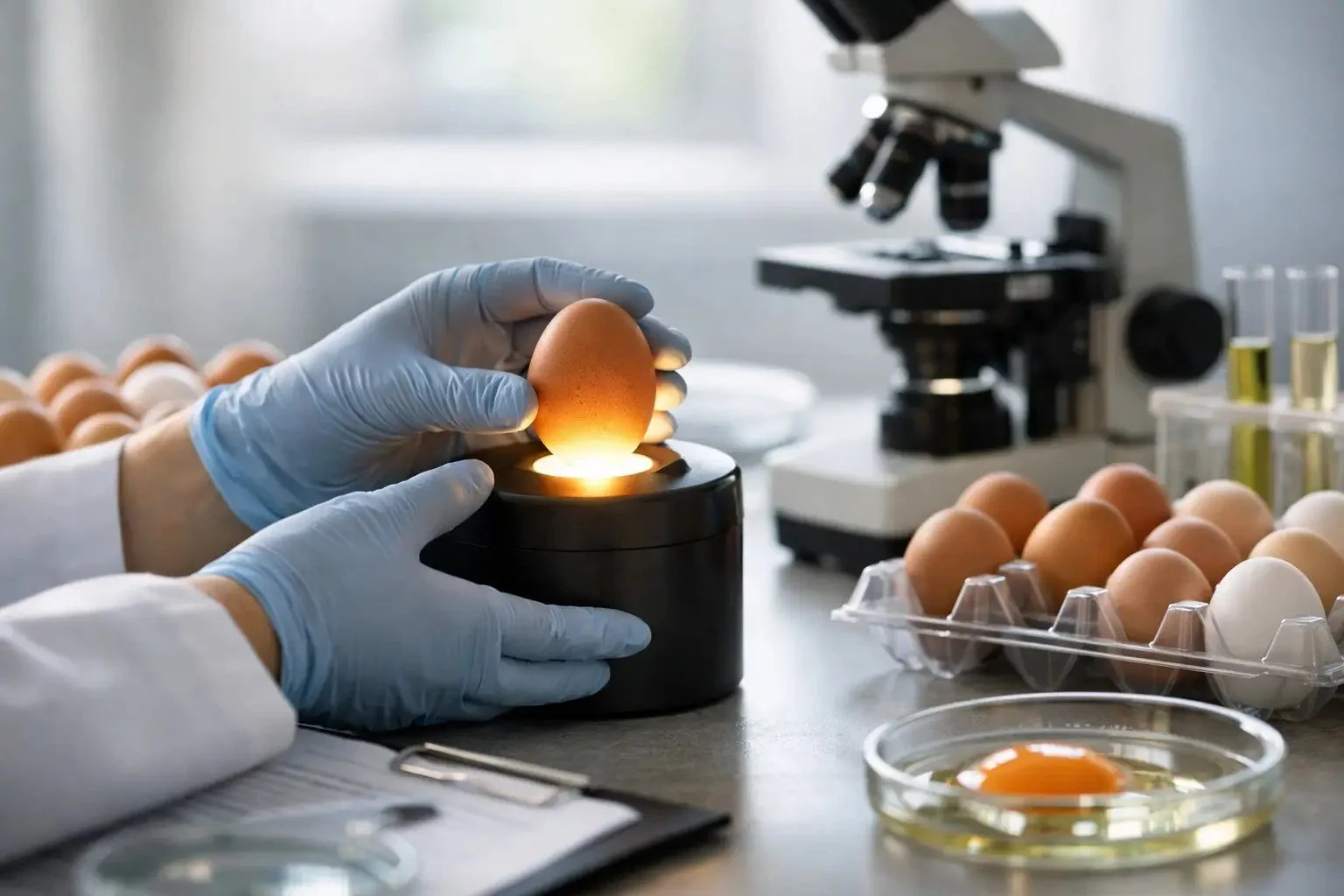
A rushed breakfast turns messy quickly when an egg cracks badly, smells odd or simply does not look right in the pan. So how are eggs quality tested before they reach a Malaysian supermarket shelf? In a typical egg supply chain, quality is checked at several points, from hen care through collection, inspection, grading and packing.
For family meals, egg quality means more than a bright yolk. It also means a sound shell, clean handling, freshness and reliable food safety practices. Here is what those checks are designed to do, and what you can still look for once the carton is in your kitchen.
How are eggs quality tested from farm to pack?
Most commercial egg producers combine checks on individual eggs with routine batch monitoring and hygiene controls. The main stages usually look like this:
Hen care and feed. Quality starts with the hens: good feed, clean housing and fresh water support strong, consistent eggs.
Regular collection. Collecting eggs often keeps them cleaner and lowers the chance of cracks.
Shell inspection. Eggs with cracks, leaks, thin shells or heavy stains are removed.
Candling. A bright light shows what is happening inside the shell.
Grading and packing. Eggs are sorted by weight or size, then packed and labelled.
Not every egg is sent to a laboratory. Checking each egg on the line and monitoring batches is the practical way to work at scale while still focusing on what families care about: clean, intact, fresh eggs.
Shell, shape and cleanliness checks
The first inspection is the easiest to understand. Eggs are checked for:
Cracks and hairline fractures, which can let bacteria in.
Thin or weak shells that are likely to break on the journey home.
Leaks, heavy stains and unusual shapes.
Modern packing lines can use rollers, cameras and sensors to spot shell defects quickly, with staff monitoring the line and removing eggs that fall short. An egg with a small cosmetic mark is not necessarily unsafe, but retail packs are selected to give households a more dependable cooking experience.
Candling reveals what the shell cannot
Despite the name, commercial candling uses a bright light rather than a candle. As the egg passes over the light, inspectors or equipment can see inside without breaking the shell.
Candling helps to identify internal cracks, blood spots, large air cells and other abnormalities. It also hints at freshness: as an egg ages, moisture and carbon dioxide slowly leave through the shell and the air cell grows. A smaller air cell generally points to a fresher egg, which is the same principle behind the home water test in our guide on how to check egg freshness.
Grading gives you a more consistent carton
Eggs are commonly sorted by weight or size, which helps when you are following a recipe or planning portions. A carton of similar-sized eggs cooks more predictably, whether you are making half-boiled eggs, a fluffy omelette or a birthday cake.
Standards and labels vary by producer and market, so a grade is not a promise that every egg will look identical. It is a system for consistency, and for removing eggs that fall outside the pack's specification.
Food safety checks go beyond the egg itself
Hygiene: packing areas and equipment need regular, careful cleaning.
Temperature: suitable storage and transport conditions help protect freshness.
Monitoring: producers may carry out routine environmental and product testing to confirm that cleaning procedures are working.
Traceability: batch information lets a producer track eggs through packing and distribution, so any issue can be narrowed down quickly.
Liquid egg products add one more safeguard: pasteurisation. Eggs are broken under controlled conditions and gently heat-treated to reduce harmful microbes while keeping the egg convenient to pour and cook. NutriPlus pasteurised liquid eggs are a handy option for baking, scrambled eggs or a quick weekday breakfast, with no shells to crack.
What quality testing can and cannot guarantee
Quality checks greatly reduce the chance of a poor egg, but they do not replace sensible storage and cooking at home. Eggs are natural products, so small variations are normal:
Shell colour reflects the breed of hen, not freshness or nutrition.
Yolk colour is influenced by feed. A deep golden yolk looks appetising, but colour alone is not a measure of quality.
White thickness changes with age. An older egg may be less ideal for poaching but fine for a well-cooked curry, fried rice or cake.
Simple egg quality checks to make at home
In the shop, choose a clean, dry, undamaged carton with uncracked shells. See why eggs in cartons suit family meals.
At home, keep eggs in their original carton in the fridge, away from raw meat and strong-smelling foods.
Use eggs by the date shown on the pack.
Crack each egg into a separate bowl first, so an unusual smell or appearance does not spoil the whole dish.
Take extra care with raw or lightly cooked egg dishes, especially for young children, older adults, pregnant women and anyone with a weakened immune system.
Egg quality testing FAQ
What is egg candling?
Candling is an inspection method that shines a bright light through the egg. It shows internal cracks, blood spots and the size of the air cell without breaking the shell.
Is every egg tested in a laboratory?
No. Eggs are typically checked individually for visible and internal defects on the packing line, while laboratory-style testing is done on samples and on the packing environment as part of routine monitoring.
Does a darker yolk or brown shell mean a better egg?
Not on its own. Yolk colour depends largely on the hen's feed and shell colour on her breed. Freshness, shell integrity and hygienic handling are better signs of quality.
Quality you can taste at the breakfast table
Good egg quality testing is designed to disappear into everyday life, so you can crack an egg for nasi lemak or whisk one into pancake batter without avoidable surprises. Choose intact eggs from a carefully handled pack, store them well, and every family meal gets a stronger start. Explore NutriPlus table eggs for your kitchen.