Egg Nutrition for Growing Children: A Malaysian Parent’s Guide
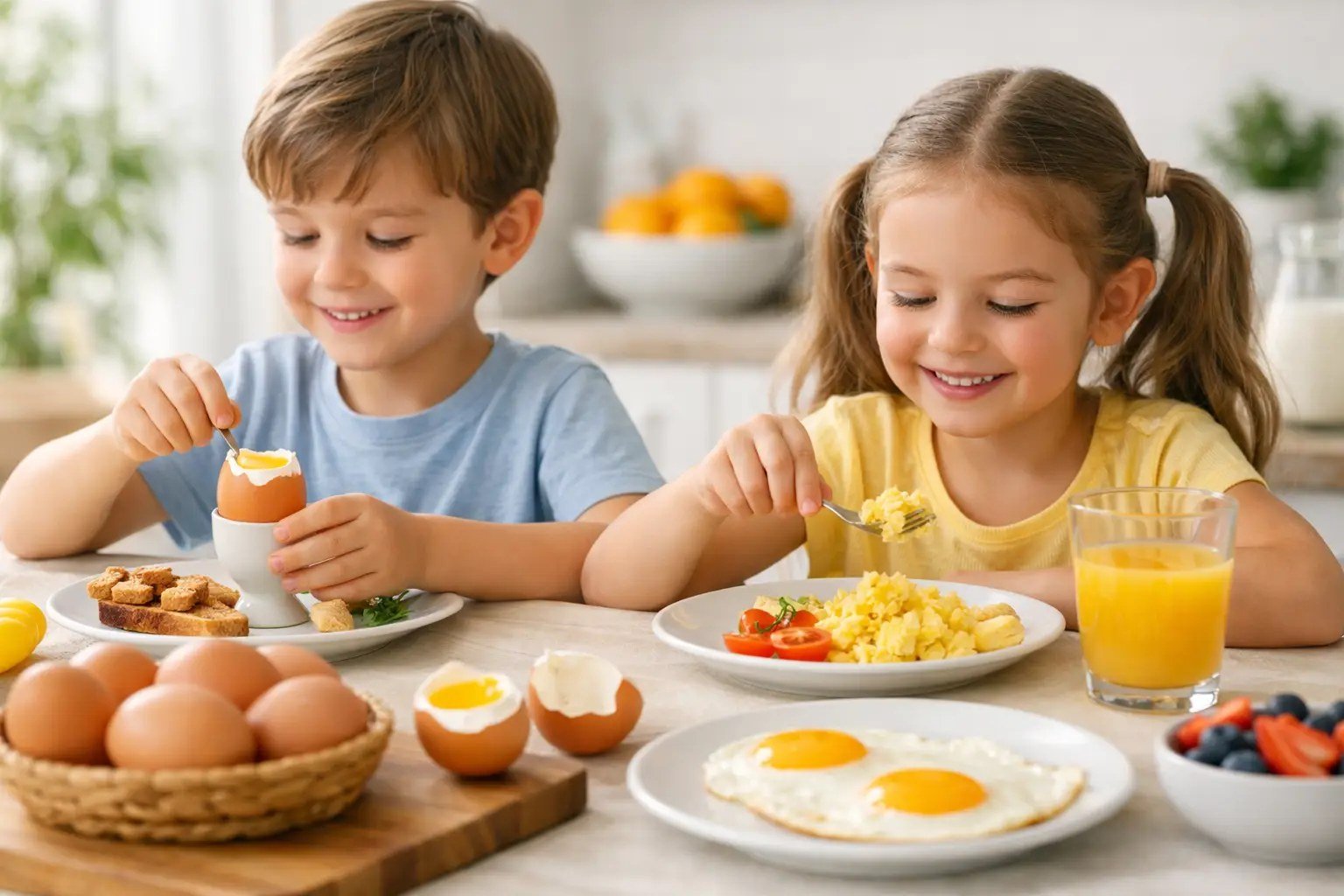
A child racing through the door after school is rarely interested in a long explanation of nutrition. They are hungry now. That is where egg nutrition for growing children earns its place in the Malaysian family kitchen: eggs are familiar, versatile and nutrient-dense, and they turn a quick meal into something more sustaining.
For parents juggling school mornings, work, tuition and dinner, the goal is not perfection on every plate. It is building dependable food choices into the routine, whether that is a half-boiled egg with toast, telur dadar with rice or egg ribbons in a warm bowl of soup.
What egg nutrition for growing children looks like
Children need enough energy and a wide range of nutrients for growth, learning and play. An egg is not a complete diet, but it is a useful building block. One egg provides:
High-quality protein, which the body uses to build and maintain muscle and other tissues.
Choline, a nutrient involved in normal brain and nervous-system function.
B vitamins such as B12 and riboflavin, which help the body release energy from food.
Selenium and other minerals that form part of a varied diet.
Do not skip the yolk. It carries much of the egg's nutrition, including choline and fat-soluble vitamins. Unless a healthcare professional has advised otherwise, a whole egg is usually the more balanced choice for children. Our guide to egg nutrition for family meals covers the basics in more detail.
Why protein at breakfast helps on school mornings
A sweet bun or sugary cereal is quick, but some children are hungry again soon afterwards. Adding protein makes breakfast more filling. An egg alongside wholemeal bread, fruit or porridge is a simple way to build a more balanced start.
It does not need to be a full cooked breakfast every day:
A hard-boiled egg prepared the night before.
An omelette with finely chopped vegetables.
A quick egg wrap or egg sandwich for the car.
For younger children, cut food into age-appropriate pieces and make sure they are seated and supervised while eating. Short on time? See how to reduce breakfast prep on busy mornings.
Eggs work best in a varied Malaysian diet
It is tempting to label one food a superfood, but children thrive on variety. Think of the egg as the centre of an easy meal, then add colour and texture around it:
Scrambled eggs with tomato and spinach.
Telur dadar with rice and sliced cucumber.
A boiled egg in bubur with shredded chicken and leafy greens.
Egg and chicken fried rice with peas and carrots.
Portion size depends on a child's age, appetite and activity level. Some children happily eat a whole egg at a meal; others prefer half alongside other foods. Rather than forcing a fixed amount, offer balanced choices regularly and let children respond to their own hunger and fullness cues.
Easy ways to serve eggs to children
Soft scrambled eggs with toast, sliced banana and a glass of milk.
Vegetable omelette with leftover rice for a speedy dinner.
Baked egg cups with sweetcorn, spinach and grated cheese for lunchboxes.
Egg ribbons in soup for a gentle after-school meal.
Boiling, poaching and scrambling with a little oil are easy everyday methods. Fried eggs can still be part of family meals, just not the only way eggs appear on the table. Baking with the children or cooking for a crowd? NutriPlus pasteurised liquid eggs pour straight from the pack, with no shells to crack.
Food safety starts before the pan is hot
Choose eggs that are clean, uncracked and within the date on the pack. Here is how to check egg freshness at home.
Keep eggs refrigerated in their carton, away from strong-smelling foods.
Wash hands, utensils and worktops after handling raw egg, especially when children are helping.
Cook eggs thoroughly for young children, and avoid tasting raw batter.
If your child has an egg allergy, avoid eggs unless a qualified healthcare professional has advised otherwise, and seek urgent medical help for signs of a serious allergic reaction. Children with medical conditions or dietary restrictions may need personalised advice from a doctor or dietitian.
Egg nutrition for children: FAQ
How many eggs can a child eat?
There is no single number that suits every child. It depends on age, appetite and the rest of the diet. For most healthy children, an egg can be a regular part of varied meals. If you are unsure, ask your paediatrician or a dietitian.
Should children eat the yolk or just the egg white?
The whole egg. The yolk contains much of the egg's choline and vitamins, while the white provides protein. Serving only whites leaves valuable nourishment behind.
What if my child refuses eggs?
Keep the pressure low and try another form. A child who dislikes boiled eggs may enjoy soft scrambled egg in a wrap or egg mixed into fried rice. Letting children whisk the eggs or choose the fillings often helps too.
Keep good eggs within reach
A well-stocked fridge gives parents a dependable answer to the question, "What can I feed them now?" Stock up on NutriPlus table eggs for everyday meals, or explore NutriPlus Omega-3 + Zinc eggs for your family table.