Egg Nutrition: Big Benefits for Family Meals
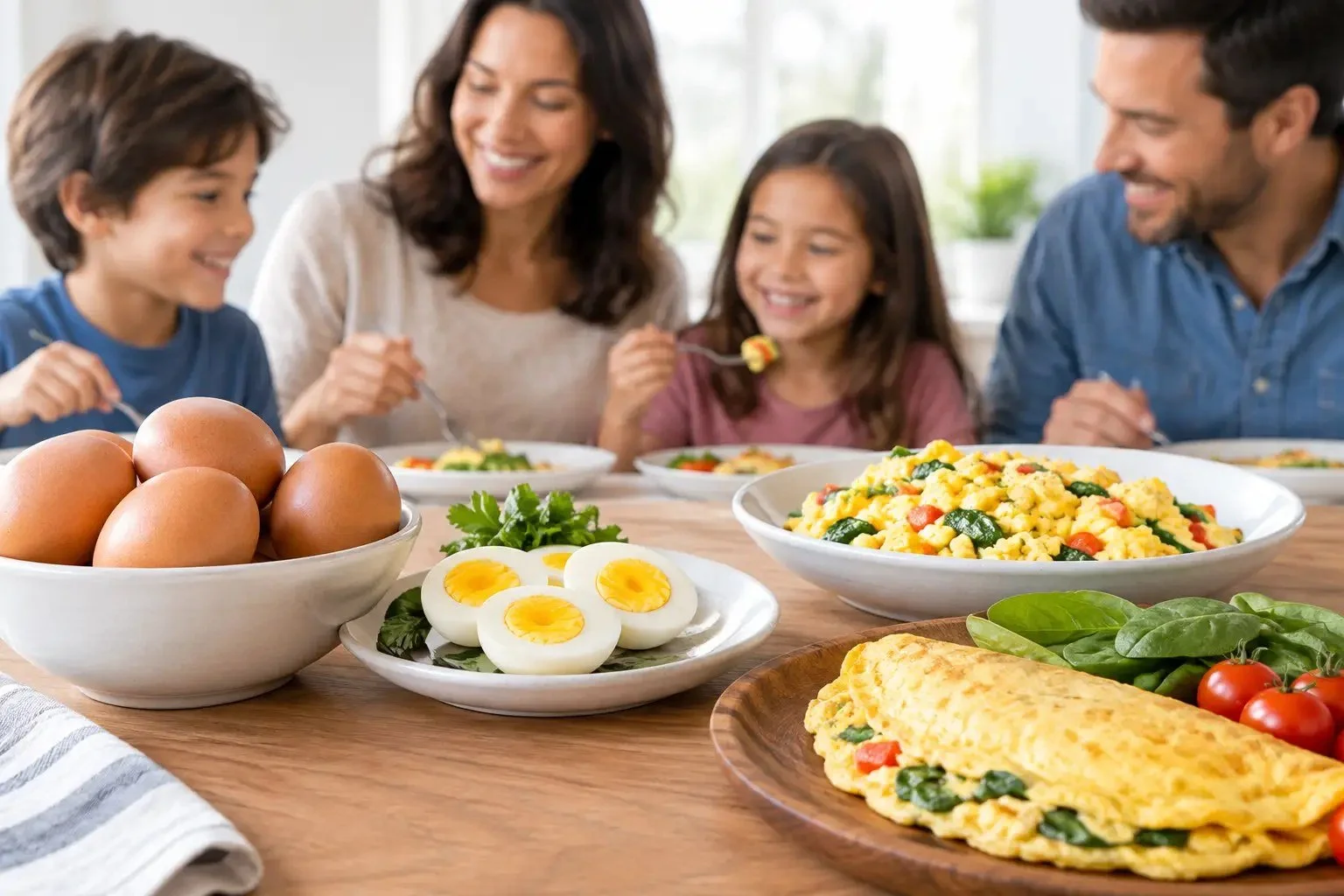
The school-morning rush does not leave much time for complicated nutrition. Yet a simple egg can turn toast, rice or noodles into a more satisfying breakfast in minutes. Egg nutrition is one reason this familiar kitchen staple earns its place in Malaysian family meals: it provides high-quality protein alongside a useful mix of vitamins and minerals, in a food that is easy to cook and wonderfully versatile.
For parents and home cooks, the real value is having a dependable ingredient ready for hungry children, busy adults and evenings when dinner needs to come together quickly. From softly scrambled eggs on toast to a golden omelette packed with leftover vegetables, eggs help make everyday food feel more complete.
Egg nutrition facts: what one egg provides
An egg may be small, but it contains nutrients that support normal growth, energy and everyday wellbeing. A typical egg provides around 6 grams of protein, although the exact amount varies with size. Protein helps build and repair body tissues, and including it at breakfast or in snacks helps a meal feel more filling.
Protein: around 6 g per egg, for growth and repair.
Vitamin B12: contributes to normal energy-yielding metabolism and red blood cell formation.
Selenium: an antioxidant mineral that supports normal immune function.
Iodine: contributes to normal thyroid function.
Choline: involved in normal cell function and brain development.
Vitamin D: eggs contribute some, though levels vary.
The yolk is where much of this goodness sits. It contains the egg’s natural fat as well as choline and fat-soluble vitamins, which is why skipping the yolk changes the nutritional picture. Egg whites are great when a recipe calls for lean protein, but a whole egg offers a broader mix of nutrients and a richer flavour.
Some eggs are enriched for extra benefits. NutriPlus Omega 3 + Zinc eggs, for example, are designed to give families added nutrients from the same everyday ingredient.
Egg nutrition is more than protein
Protein gets most of the attention, but eggs work hard in other ways too. Their natural combination of protein and fat gives meals satisfying staying power. That matters when a child has a long gap before lunch, or when you need an afternoon bite more substantial than a packet of biscuits.
Eggs also make it easy to build balanced meals around foods your family already likes. Pair a boiled egg with fruit and wholegrain toast. Fold chopped spinach, tomatoes and mushrooms into an omelette. Top a warm bowl of rice with a fried egg and plenty of vegetables. In each case, the egg adds protein and flavour without demanding a separate, time-consuming dish.
For families who eat little or no meat on some days, eggs are a convenient protein choice. They are not a replacement for every nutrient found in fish, pulses, dairy, vegetables or meat, and they do not need to be. The goal is variety.
Are eggs bad for cholesterol?
Eggs contain dietary cholesterol, mostly in the yolk, which is why some households feel unsure about serving them regularly. For most people, overall eating patterns matter more to blood cholesterol than any single food. Saturated fat intake, fibre, activity levels and individual health needs all play a part.
For many healthy people, eggs fit comfortably into a balanced diet. Anyone managing high cholesterol, heart disease, diabetes or a prescribed diet should follow advice from their doctor or dietitian. A practical approach is to enjoy eggs with vegetables, wholegrains and healthier cooking methods.
Easy ways to get more from eggs
The best egg meal is often the one that suits the moment. On hectic mornings, scrambled eggs can be ready while the kettle boils (see our tips on how to reduce breakfast prep). For lunchboxes, a hard-boiled egg adds substance alongside fruit and a sandwich. At dinner, eggs stretch a small amount of chicken, fish or vegetables into a filling fried rice or noodle dish.
Cooking method matters. Poaching, boiling and scrambling with a little oil are simple choices. Frying is delicious too, but the oil and accompaniments affect the overall meal: a fried egg over vegetable rice is very different from an egg served with several fatty, salty sides.
Eggs also bring practical magic to baking. They help cakes rise, bind fishcakes and patties, enrich pancakes and give custards their smooth texture, so egg nutrition can appear in more places than breakfast alone.
For less mess and more consistency, pasteurised liquid eggs are especially useful for large-batch scrambled eggs, French toast, baking and quick omelettes. Pasteurisation uses carefully controlled heat to reduce harmful bacteria while keeping the egg ready for everyday cooking. Read more on why to use eggs in cartons.
Freshness and safe handling matter
Nutrition and food safety belong together. Choose eggs that are clean and uncracked, and store them according to the pack instructions. Keep raw egg away from ready-to-eat foods, wash hands and utensils after handling, and cook egg dishes thoroughly when serving young children, older family members, pregnant women or anyone with a weakened immune system.
If a recipe uses raw or lightly cooked egg, such as mayonnaise, mousse or a runny sauce, pasteurised egg offers extra reassurance, especially when preparing food for a gathering.
Quality starts before the carton reaches the kitchen. Healthy hens, carefully managed feed, cleaning and testing all contribute to the eggs families bring home. NutriPlus brings this care to its table eggs and pasteurised range, helping busy households prepare meals with confidence.
Frequently asked questions
How much protein is in one egg?
A typical egg contains around 6 grams of high-quality protein. Larger eggs contain slightly more.
Is the egg yolk or egg white more nutritious?
The white is mostly protein, while the yolk holds the fat, choline and fat-soluble vitamins. Eating the whole egg gives the broadest mix of nutrients.
Can children eat eggs every day?
For most healthy children, eggs can be part of a varied daily diet when cooked thoroughly. If your child has an allergy or a medical condition, follow your doctor’s advice.
A useful staple, not a nutritional shortcut
Eggs are nutrient-dense, affordable and flexible, but they are not meant to carry the entire family diet alone. Children and adults still need colourful vegetables and fruit, fibre-rich grains, calcium-rich foods and a variety of protein sources. Think of eggs as a reliable building block that helps a simple meal meet the moment.
Stock up on nutritious eggs for your family: explore NutriPlus table eggs, Omega 3 + Zinc eggs and pasteurised liquid eggs.