Air-Chilled vs Water-Chilled Chicken: What’s the Difference?
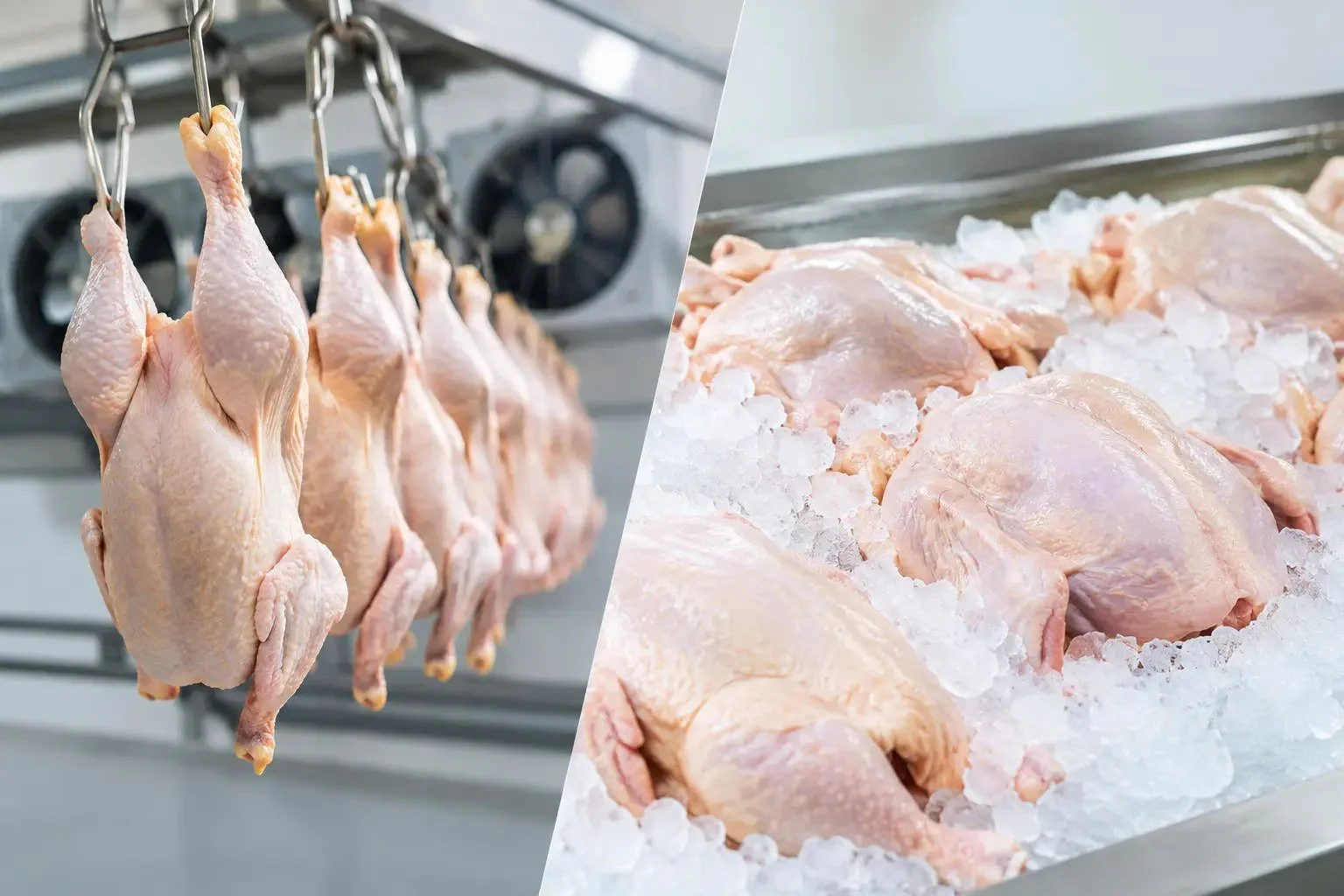
A weekday chicken dinner looks simple on the plate, yet the way the bird was chilled after processing affects what happens in your kitchen. In the air-chilled vs water-chilled chicken choice, the biggest differences are the ones busy family cooks notice most: how much water comes out in the pan, how well seasonings cling, and whether the chicken delivers that satisfyingly juicy bite.
Both methods cool chicken quickly after processing, keeping it at a safe temperature before packing. Neither label alone tells the whole story about quality: good farming, hygienic handling, testing, cold-chain control and thorough cooking still matter. But the chilling method does change the chicken’s relationship with water, and that is worth understanding before you plan your next roast, stir-fry or quick freezer meal.
Air-chilled vs water-chilled chicken at a glance
Cooling method: air-chilled uses cold, purified circulating air; water-chilled uses immersion in cold water tanks.
Water absorption: air-chilled absorbs no added water; water-chilled can absorb some water.
Cooking: air-chilled browns and crisps more easily; water-chilled may release liquid in the pan.
Flavour: air-chilled tends to taste more concentrated; water-chilled can taste milder.
Cross-contamination: air-chilled birds are cooled individually; water-chilled birds share chilling water, so strict hygiene controls are essential.
What is air-chilled (air-cooled) poultry?
Air-chilled chicken, also called air-cooled poultry, is cooled by circulating cold, purified air around the chicken in a controlled environment. Rather than being immersed in a shared tank of cold water, the birds are chilled individually by air.
The process takes longer and requires carefully controlled equipment. Its practical benefit is simple: the chicken does not take on added water while it cools. The weight in the pack is more representative of the chicken itself, rather than absorbed processing water.
At home, this makes a real difference. Air-chilled chicken has a drier skin surface, which helps it brown and crisp more readily. A little oil, salt and your family’s favourite spices go a long way towards golden skin and juicy, tender flavour.
How water-chilled chicken is processed
Water-chilled chicken is cooled by moving it through cold water, often in a large immersion system. The water draws heat away quickly, making this an efficient method for high-volume production.
During immersion chilling, chicken can absorb some water. The amount varies by process and local rules, but it may be noticeable when cooking. If you have ever added chicken to a hot pan and watched a pool of liquid appear before browning begins, retained moisture may be one reason.
Water chilling can still be managed safely when a producer follows strict sanitation, monitors water quality and maintains cold temperatures. It is not automatically poor-quality chicken. But because many birds pass through the same chilling water, rigorous hygiene controls are needed to limit the movement of bacteria from one bird to another.
The kitchen differences that matter
The choice becomes clearest when the chicken reaches a hot pan, oven or air fryer. Air-chilled chicken has not absorbed water during chilling, so it is less likely to release excess liquid. It roasts rather than steams, giving you crisp skin, caramelised edges and a richer savoury flavour.
That does not mean every air-chilled chicken tastes identical. The cut, the bird’s diet, storage and your cooking method all play a part. A boneless breast can still dry out if overcooked, while a water-chilled thigh can still make a tasty curry. Air chilling simply gives you a more dependable starting point when texture and browning matter, which is useful for traybakes, grilled chicken wraps and oven-roasted drumsticks.
Flavour and seasoning
Because air-chilled chicken is not carrying extra absorbed water, its natural flavour can taste more concentrated, and marinades and spice rubs cling better to a drier surface. For a busy evening: pat the chicken dry, add a little oil, season with garlic, paprika, black pepper and salt, then roast until cooked through. Serve with rice, vegetables or a fresh salad.
Crispness and browning
For crispy skin, surface moisture is the enemy. Water must evaporate before browning can begin, so wet skin steams for longer. Air-chilled poultry starts with less added moisture, so it develops that golden finish more easily. Give wings, skin-on thighs and roasts room in the tin so hot air can circulate.
Value in the pack
When chicken has not absorbed water during chilling, you are generally buying more of what you intended to buy: chicken. Look beyond the headline price. A cheaper pack that releases a lot of liquid may not cook or portion the way you expected.
Is air-chilled chicken safer?
Chilling is one part of a bigger food-safety picture. Air chilling can reduce the opportunity for cross-contamination associated with birds sharing chilling water, but it does not make raw chicken ready to eat. Treat all raw poultry with care, whatever the chilling method.
Keep raw chicken chilled and separate from ready-to-eat foods.
Wash hands, boards and utensils thoroughly after handling.
Do not wash raw chicken under the tap, as splashing spreads bacteria around the sink.
Cook until piping hot throughout, with no pink meat and clear juices.
For Malaysian families, halal assurance is essential too. Air chilling and water chilling describe a processing method, not a halal status, so check the pack for recognised halal certification.
Frequently asked questions
Is air-chilled chicken better than water-chilled?
Air-chilled chicken does not absorb added water, so it usually browns better, tastes more concentrated and gives you more chicken for your money. Water-chilled chicken can still be good quality when processed hygienically, especially for saucy dishes.
Why does my chicken release water when cooking?
Chicken that was water-chilled may retain some of the water absorbed during processing, which is released in the hot pan. Patting chicken dry and choosing air-chilled chicken helps reduce this.
Is air-chilled chicken halal?
Chilling method and halal status are separate. Always look for recognised halal certification on the pack before you buy.
Which chicken is right for your family?
Choose air-chilled chicken when you want consistent browning, crispier skin, less watery cooking and natural flavour with minimal fuss. It suits recipes where chicken is the star: a roast, grilled skewers, fried chicken or a pan-seared breast. Water-chilled chicken may suit dishes with plenty of sauce, soup or gravy where browning matters less.
For parents balancing school mornings, workdays and hungry evenings, small quality details make cooking easier. For more quick, protein-rich ideas, see our guide to practical family meals.
Taste the difference at your next family dinner: discover NutriPlus air-chilled chicken and our halal frozen favourites.