Why Use Eggs in Cartons? Benefits for Family Meals
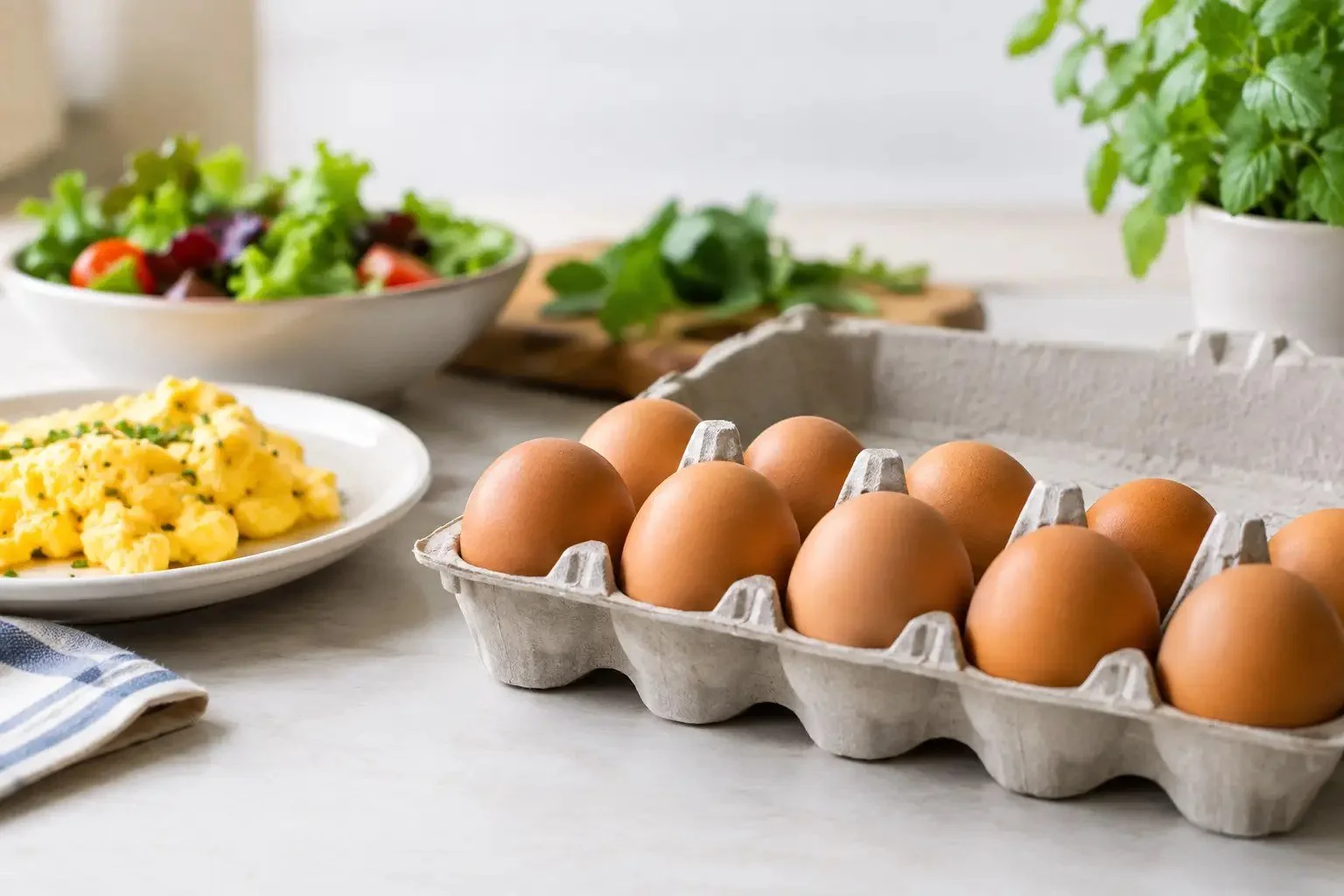
The school run is looming, someone wants eggs for breakfast, and the last thing you need is a slippery shell, a stray bit of shell in the bowl and another surface to wipe down. So, why use eggs in cartons? For busy Malaysian family kitchens, cartoned liquid eggs give you the familiar goodness of eggs in a format designed for faster, cleaner everyday cooking.
They are not a replacement for every recipe or every household preference. A fresh egg in its shell still has its place, especially when you want a poached egg with a neat yolk or a sunny-side-up breakfast. But for scrambled eggs, omelettes, baking, fried rice and meal prep, liquid eggs make a practical difference when time is short and hungry mouths are waiting.
Why use eggs in cartons in a busy kitchen?
Cartoned eggs are liquid whole eggs, egg whites or yolks that have been removed from their shells, carefully processed and packed ready to use. Instead of cracking eggs one by one, you simply shake the carton, pour the amount you need and cook.
That small change makes rushed mornings far more manageable. Pour a portion into a hot pan with spinach and cheese for a fluffy omelette, or measure what you need straight into pancake batter. There are no shells to discard, no guessing whether an egg is fresh enough, and less chance of losing half the egg white down the side of the bowl.
For parents, the real benefit is consistency. When breakfast needs to happen before uniforms are on and bags are packed, a dependable source of protein turns a quick meal into one that keeps the family going. Liquid eggs are also useful for batch cooking: make egg muffins for several mornings, prepare a large frittata for lunchboxes, or whisk together a quick egg fried rice for dinner. For more time-saving ideas, see our guide on how to reduce breakfast prep on busy mornings.
A measured pour means less waste
Shell eggs are wonderfully versatile, but recipes do not always use them neatly. You may need two eggs for a small batch of pancakes, then be left with an extra yolk or white from another dish. With a cartoned product, it is easier to pour only what the recipe calls for.
This is particularly handy when cooking for one child, preparing a smaller meal, or adding a little egg to bind fishcakes, coatings or meatballs. Less waste matters to household budgets, and it also means fewer forgotten ingredients at the back of the fridge.
The safety benefit of pasteurised liquid eggs
The most reassuring advantage of many cartoned egg products is pasteurisation. Put simply, the egg is gently heated for a controlled time to reduce harmful bacteria, then cooled and packed under hygienic conditions. The aim is to keep the egg’s useful cooking qualities while adding another layer of food-safety assurance.
This matters when you are preparing food for children, older relatives or anyone who may be more vulnerable to foodborne illness. It also brings peace of mind to recipes where egg is mixed into a dish before further cooking, such as custards, sauces or baking mixtures.
Pasteurisation does not mean food handling rules can be ignored. Keep unopened and opened cartons refrigerated as directed on the pack, use them within the stated period after opening, and cook dishes according to the product instructions. Safe production and sensible kitchen habits work best together.
For a quality-led brand such as NutriPlus, this controlled process is part of a bigger promise: eggs should be convenient, but convenience should never come at the expense of care. Cleaning, testing, pasteurisation and strict packing standards make the journey from farm-fresh goodness to family meal more dependable. Learn more about NutriPlus pasteurised liquid eggs.
Best family meals to make with cartoned eggs
Liquid eggs are at their best in recipes where the egg is whisked, mixed or folded in. Their smooth, pourable format makes them especially useful for everyday favourites:
Breakfast: soft scrambled eggs, vegetable omelettes and egg wraps without stopping to crack shells.
Baking: easy, accurate measuring for cakes, muffins, French toast and pancakes.
Quick dinners: protein and golden colour for fried rice, noodles, wraps and savoury pancakes.
Cooking with kids: children can help make pancakes or a simple sponge with less risk of shell fragments in the mix (with adult supervision around heat).
Whole egg, white or yolk: choose for the job
Whole liquid egg gives you the balanced richness and familiar flavour needed for omelettes, scrambles and most baking. Liquid egg white is useful when you want a lighter option or extra protein in an omelette, while liquid yolk brings richness to certain sauces, pastries and custards.
For recipes that rely on an intact yolk, shell eggs remain the better choice. A poached egg, a runny fried egg or a ramen bowl topped with a glowing yolk needs an egg in its shell, and our NutriPlus table eggs are made for exactly that. Cartoned eggs are not trying to win that job; their strength is making mixed-egg recipes quicker, more controlled and easier to clean up.
Convenience without losing nutrition
Eggs are a naturally useful source of protein, and they contain nutrients that support a varied family diet. Choosing a cartoned format does not mean choosing a less real ingredient. It means choosing eggs prepared for a different kitchen need. (Read more about egg nutrition for family meals.)
Nutritional details vary by product, so check the label for serving sizes and ingredients. The best choice is the one that suits your meal, your family’s dietary needs and the way you actually cook during the week.
What makes liquid egg especially appealing is that it removes a common barrier to putting protein on the plate. When ingredients are easy to use, a proper breakfast feels more achievable. A carton in the fridge can be the difference between skipping breakfast and serving warm scrambled eggs on toast.
How to store and use cartoned eggs
Treat liquid egg as a chilled ingredient: refrigerate promptly and follow the use-by date and on-pack guidance after opening.
Keep the cap clean and shake gently before pouring so the egg is evenly mixed.
Use a measuring jug or the carton’s portion guide for consistent baking results.
Cook scrambled eggs on gentle heat, stirring regularly, for a soft, tender texture.
For omelettes, let the egg set before adding fillings so the centre does not turn watery.
Frequently asked questions
Are eggs in cartons real eggs?
Yes. Cartoned liquid eggs are real eggs removed from the shell, typically pasteurised, and packed ready to pour. Check the label to see whether a product is whole egg, egg white or yolk.
Are pasteurised liquid eggs safe for children?
Pasteurisation reduces harmful bacteria, which adds reassurance when cooking for children and older family members. You should still store the carton chilled and cook dishes as directed on the pack.
Can I use liquid eggs for baking?
Yes. Liquid eggs are ideal for cakes, muffins, pancakes and French toast because they are easy to measure accurately. As a guide, check the pack for how much liquid egg equals one shell egg.
A smart staple for real family routines
Cartoned eggs will not replace every shell egg in the fridge, nor do they need to. Think of them as a helpful partner for meals that ask for speed, simple measuring and less mess. Keep one chilled for the moments when hunger arrives before inspiration does, and a nourishing meal can come together in minutes.
Ready to make busy mornings easier? Explore NutriPlus pasteurised liquid eggs and find more ideas on our recipes page.